
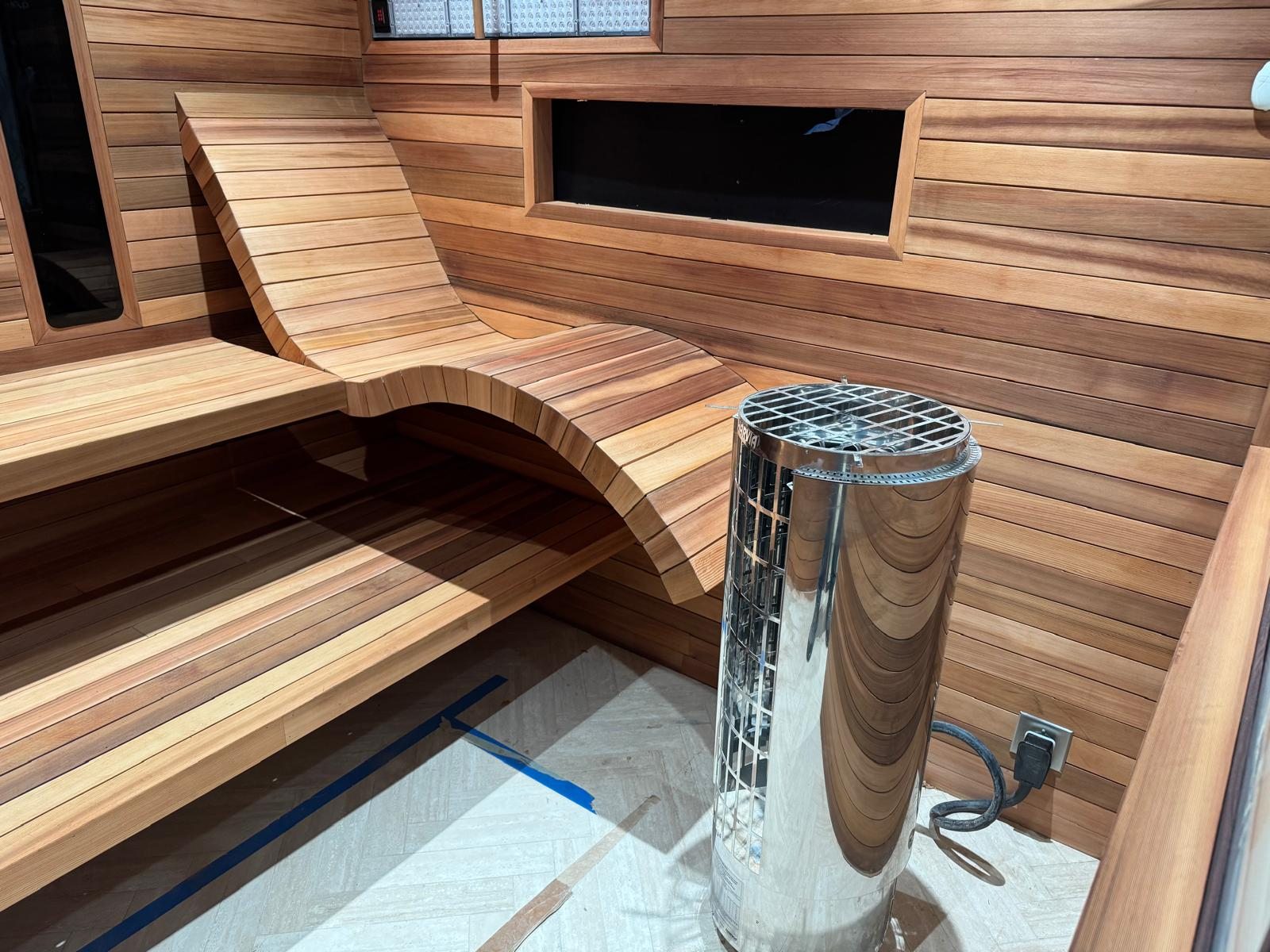
Traditional and infrared saunas don't just run at different temperatures — they heat you through two genuinely different mechanisms, and the research supporting each one is asymmetric in a way most comparison guides don't mention.
How Each One Actually Heats You
A traditional sauna heats the air around you — typically to somewhere between 160°F and 200°F — and your body absorbs that heat through convection and conduction, the same way a hot room warms your skin. An infrared sauna works differently: it uses radiant heat to warm your body directly, at a noticeably lower air temperature, usually in the 120°F to 150°F range. That's why an infrared session can feel less intense in the room while still producing a real sweat response — the heat is working on you directly rather than heating the space you're sitting in.
What the Research Actually Supports for Each
This is worth being honest about, because it's the single biggest difference that marketing comparisons tend to gloss over. Traditional sauna has decades of large-scale population research behind it — the same Finnish cohort study covered in Does a Sauna Really Detox Your Body?, which followed over 2,300 people for up to 20 years and found real cardiovascular benefits tied to frequent traditional sauna use.
Infrared sauna research is real, but it's smaller in scale and more recent, concentrated mostly on muscle soreness and post-exercise recovery rather than the same long-term population-level cardiovascular data.
That doesn't mean infrared doesn't work — it means if you're choosing based specifically on "which one has the most research behind it," traditional currently has the deeper evidence base.
The Practical Differences: Heat-Up Time, Power, and Comfort
Beyond the research, there are real day-to-day differences worth weighing. Traditional saunas offer the option of löyly — water poured over hot rocks for a burst of steam — which is part of the ritual for people who want the more intense, classic Finnish sauna experience. Infrared tends to suit people who find high heat genuinely uncomfortable, or who want a shorter time commitment per session.
Which One Fits Your Actual Goals
If long-term cardiovascular research is what matters most to your decision, traditional sauna currently has the stronger evidence base. If you're prioritizing muscle recovery, a gentler heat experience, or a faster, lower-power setup, infrared is a legitimate choice backed by its own — smaller but real — body of research. Neither is the objectively "better" sauna; they're built around different heat mechanisms with genuinely different evidence behind them.
Built around your goals,
not a trend
Cielo builds both traditional and infrared systems, and doesn't default to pushing one over the other — the right choice depends on your goals, your space, and your electrical capacity, not which one is trending.
Explore Custom Options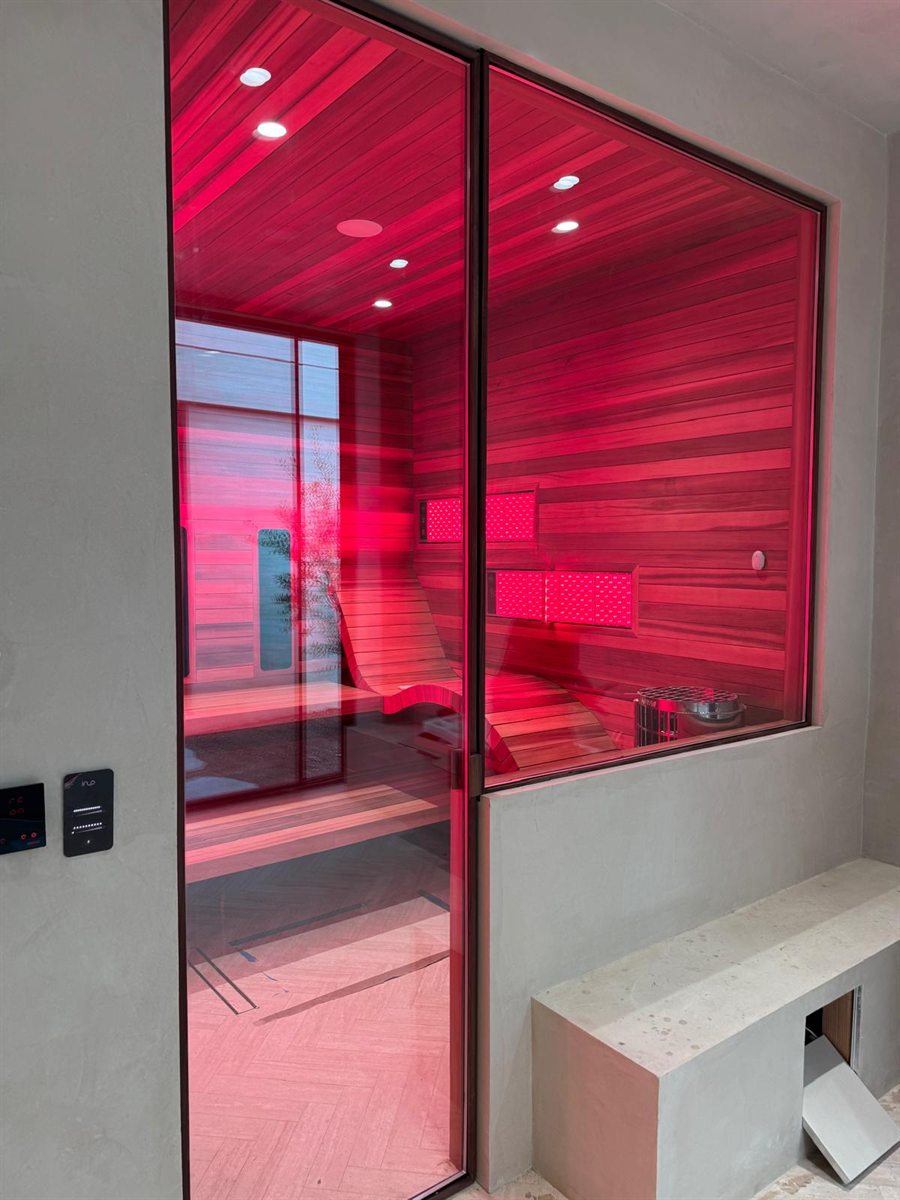
Frequently Asked Questions
Not yet, at the same scale. Traditional sauna has decades of large-scale population research, including a 20-year Finnish cohort study on cardiovascular outcomes. Infrared research is real but smaller and newer, focused mostly on muscle recovery.
Traditional saunas run hotter in the room — up to 200°F — while infrared saunas typically stay in the 120–150°F range, but heat your body directly rather than relying on air temperature alone.
Often, yes. Smaller infrared units can run on a standard 120V circuit, while traditional saunas typically require a dedicated 240V circuit due to higher heater wattage.
Infrared has a growing body of research specifically around muscle soreness and post-exercise recovery, though traditional sauna's broader research base covers cardiovascular and longevity outcomes more thoroughly.
No — löyly (water poured over hot rocks) is specific to traditional saunas. Infrared saunas don't produce steam, since the heat comes from radiant panels, not heated rocks.