
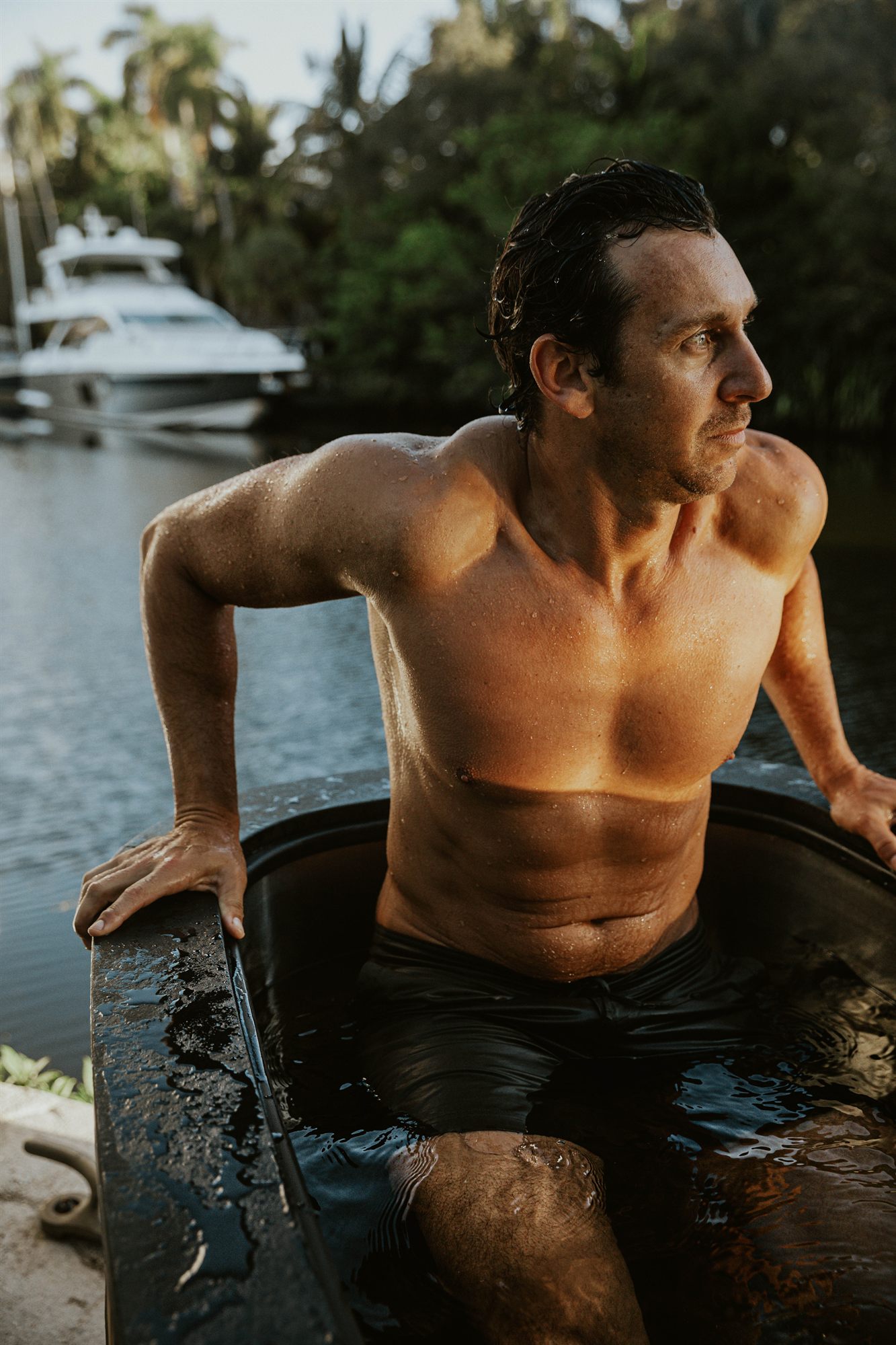
The second you drop into cold water, your body reacts before you decide anything — a gasp, a spike in heart rate, and a hormone surge that outlasts the plunge itself by hours. That automatic sequence is called the cold shock response, and understanding it is what separates a safe, effective cold plunge habit from a genuinely risky one.
The First 30 Seconds: The Cold Shock Response
The instant cold water hits your skin, your body triggers an involuntary gasp, followed by a period of hyperventilation, alongside a rapid rise in heart rate and blood pressure. This isn't something you can override by "staying calm" the first time — it's an automatic nervous system reflex, and it's the reason every serious cold-plunge guide emphasizes controlled entry over jumping straight in.
Why This Matters for Safety, Not Just Discomfort
This is the part most cold-plunge content skips, and it's worth taking seriously. None of this means cold plunging is unsafe when done properly — it means controlled, supervised, gradual entry is a real safety practice, not an overcautious suggestion.
The Hormonal Surge: Norepinephrine and Dopamine
Once past the initial shock, the body's response shifts toward something a lot of people find genuinely compelling — a real, measurable hormonal response, not just a subjective feeling.
This is a large part of the "clarity" and mood lift people report after a cold plunge.
What Happens With Repeated Use: Habituation
The cold shock response isn't fixed — it measurably decreases after roughly 3 to 5 cold-water immersions, as the body adapts to the exposure. This is exactly why the first few sessions tend to feel the most intense, and why a consistent habit changes the actual physical experience over time, not just your tolerance for discomfort.
What This Means in Practice
The physiology above is exactly why a controlled, engineered cold plunge setup is meaningfully different from an improvised ice bath. Consistent, known water temperature — rather than a bucket of ice that changes every session — removes a lot of the unpredictability that makes the cold shock response harder to manage safely. It's also why starting with shorter exposures and higher temperatures, rather than the coldest setting on day one, is a real safety practice and not just a beginner's compromise.
The same response,
safely, every time
Cielo's cold plunge systems use a dedicated chiller specifically so the water temperature stays consistent, session after session — the same physiological response, safely, every time, instead of the unpredictability of ice and a tub.
Explore Custom Builds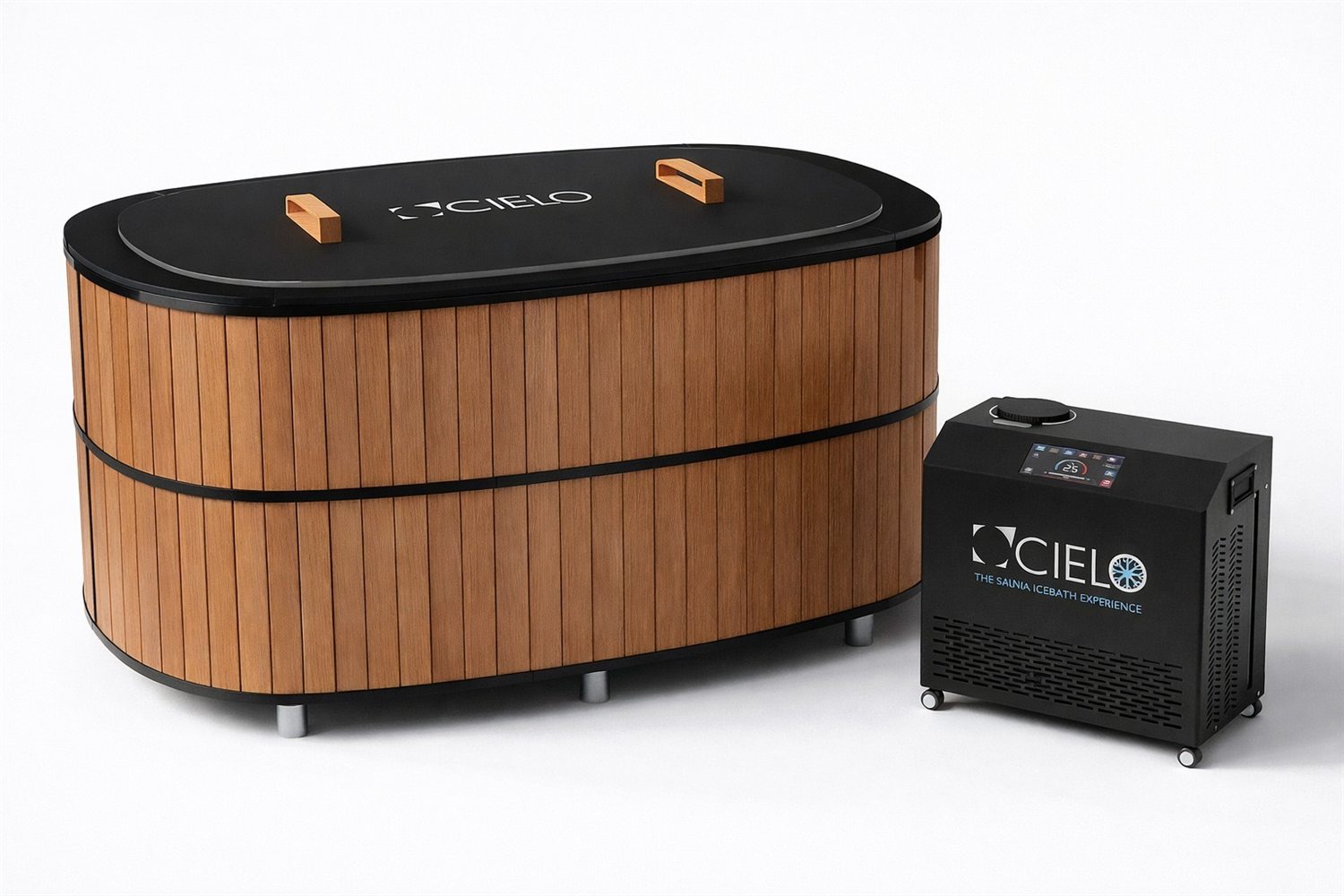
Frequently Asked Questions
It can be, specifically if it happens with your face underwater and unsupervised, since the hyperventilation that follows significantly reduces how long you can hold your breath. Controlled, supervised, face-above-water immersion avoids this risk.
A real, measurable hormonal response — norepinephrine and dopamine both rise significantly and stay elevated for hours afterward, which is a large part of the mental clarity people report.
Yes. The cold shock response measurably decreases after about 3 to 5 sessions as your body adapts, which is why early sessions feel more intense than later ones.
Not without a conversation with a doctor first if you have a cardiovascular condition — the rapid heart rate and blood pressure shift during the cold shock response can affect heart rhythm in some people.
A dedicated cold plunge system maintains a consistent, known temperature every session, while an ice-and-tub setup varies session to session — consistency matters both for safety and for building a repeatable habit.
This is general information, not medical advice — talk to your doctor before starting sauna or cold plunge use, especially with cardiovascular conditions or pregnancy.